
Although the various viruses differ much between them in shape and size, however they are formed by the same general principles. The mature viral particle (virion) consists of two essential components: the viral genome and capsid, and an accesory shell (envelope).
The viral genome is made up of DNA or RNA, never both in a single virus, which is why you will hear about the classification in DNA viruses and RNA viruses. Classically, this is one of the criteria in the Baltimore classification based on the type of viral genome (RNA or DNA / stranded – so it has only one chain of nucleic acid, or double stranded – has two chains), as well as the way of viral multiplication, this classification is usually preferred due to the ease of identification of different classes of viruses. The viral genome is commonly represented by a molecule of nucleic acid (DNA or RNA) and carries the genetic information necessary for replication, which implies the synthesis of all viral constituents.
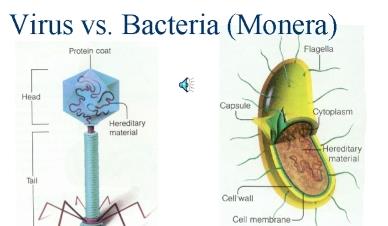
Comparație între structura unui virus și a unei bacterii (Monera) [Sursa]
Viral Capsid (from Greek ‘ Kapsa ‘ = box), covers the genome is made up of protein subunits called capsomeres. Capsomeres are made up of proteins regularly placed, forming the virus specific structure. Capsid protects genetic material and contains viral antigens; capsid and viral genome form nucleocapsid.
Some nucleocapsid viruses are covered by another structure called the viral envelope or Peplos (Gr. Peplos = outer garment).


About Corneliu Zaharia
