
Bacterial infections can cause symptoms such as fever, inflammation, secretions and pain in the affected area, all of which are ways of the immune system to rid the body from infectious organisms. It is recommended that you talk to a doctor if you manifest any symptoms of infection. The controversial issue in current practice: who establishes the microbiological diagnosis, the consultant doctor or the laboratory doctor, finds a simple answer: and one and the other, and in collaboration.
Example:
Bacterial vaginosis (VB): A woman presents herself to the doctor for the inflammation of the vaginal epithelium. At the gynecological examination is observed swelling and erythema, and vaginitis is confirmed by the presence of a large number of leukocytes in the microscopic examination of the secretion, received from the laboratory. Microbial vaginosis cannot be affirmed without being confirmed by direct examination or isolation, the presence of microorganisms with ethyological significance.
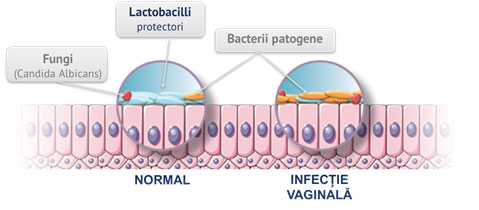
Normal vaginal flora and bacterial vaginosis, where a complex imbalance of the vaginal flora [Source]
The diagnosis of bacterial or viral infections will also account the results for other tests such as: CBC, VSH, CRP (C reactive protein), etc. Bacterial infections are not similar to viral ones in many respects, most of the differences being in line with the structural differences of the bodies and how it responds to the treatments currently available.
Example:
Results of laboratory examinations in bacterial infections vs viral infections:
-RBC (erythrocytes sedimentation rate):
- ↑ in bacterial infections
- Not ↑ in viral infections;
-Fibrinogen-↑ in bacterial infections
-C Reactive Protein -↑ in bacterial infections
-Procalcitonine-marker of serious bacterial infection
-Number of leukocytes:
- ↑ in bacterial infections
- ↓ in viral infections
-Leukocyte Formula:
- neutrophils ↑ in bacterial infections
- lymphocytes ↑ in viral infections


About Corneliu Zaharia
